At Mondial Craft, every product begins with carefully selected, 100% biodegradable natural fibers. We source renewable, ethically harvested raw materials that reflect Bangladesh’s rich landscapes and artisanal heritage—delivering sustainable, high-quality home goods to international markets.
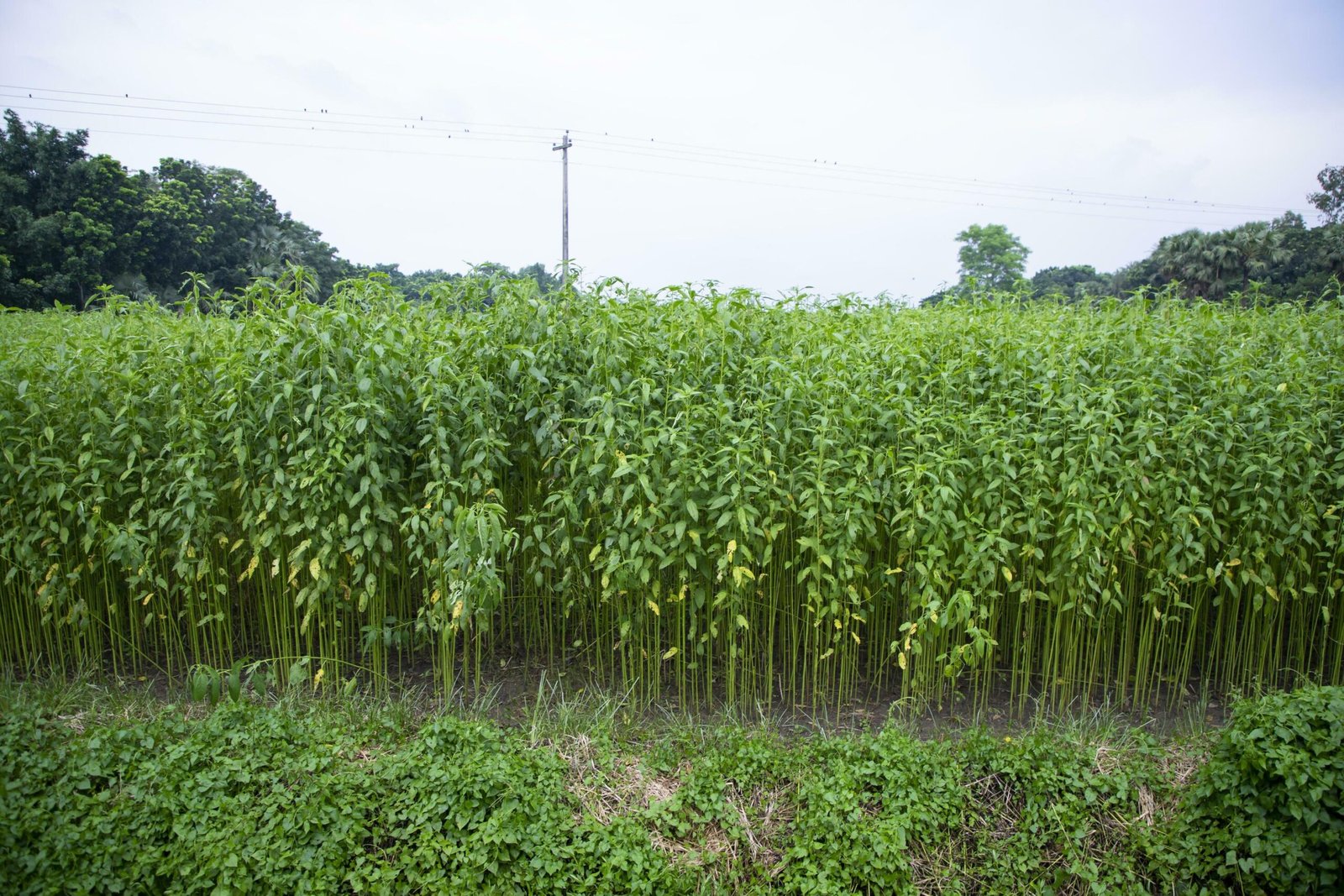
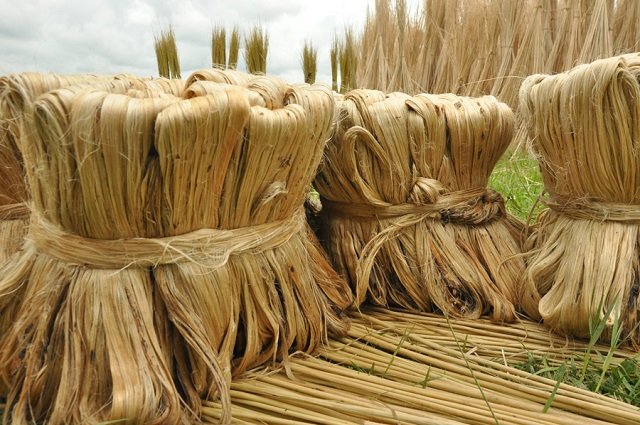
Jute (The Golden Fiber)
Grown in the fertile Ganges Delta, Bangladeshi jute is globally recognized for its superior strength, natural luster, and complete biodegradability. Artisans transform raw jute into durable threads and ropes to weave eco-friendly baskets, rugs, floor mats, and home decor.
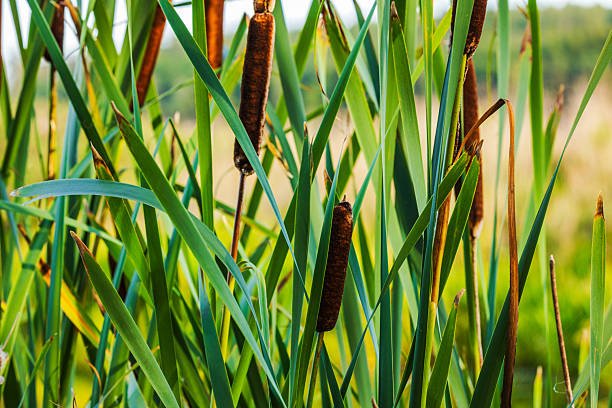
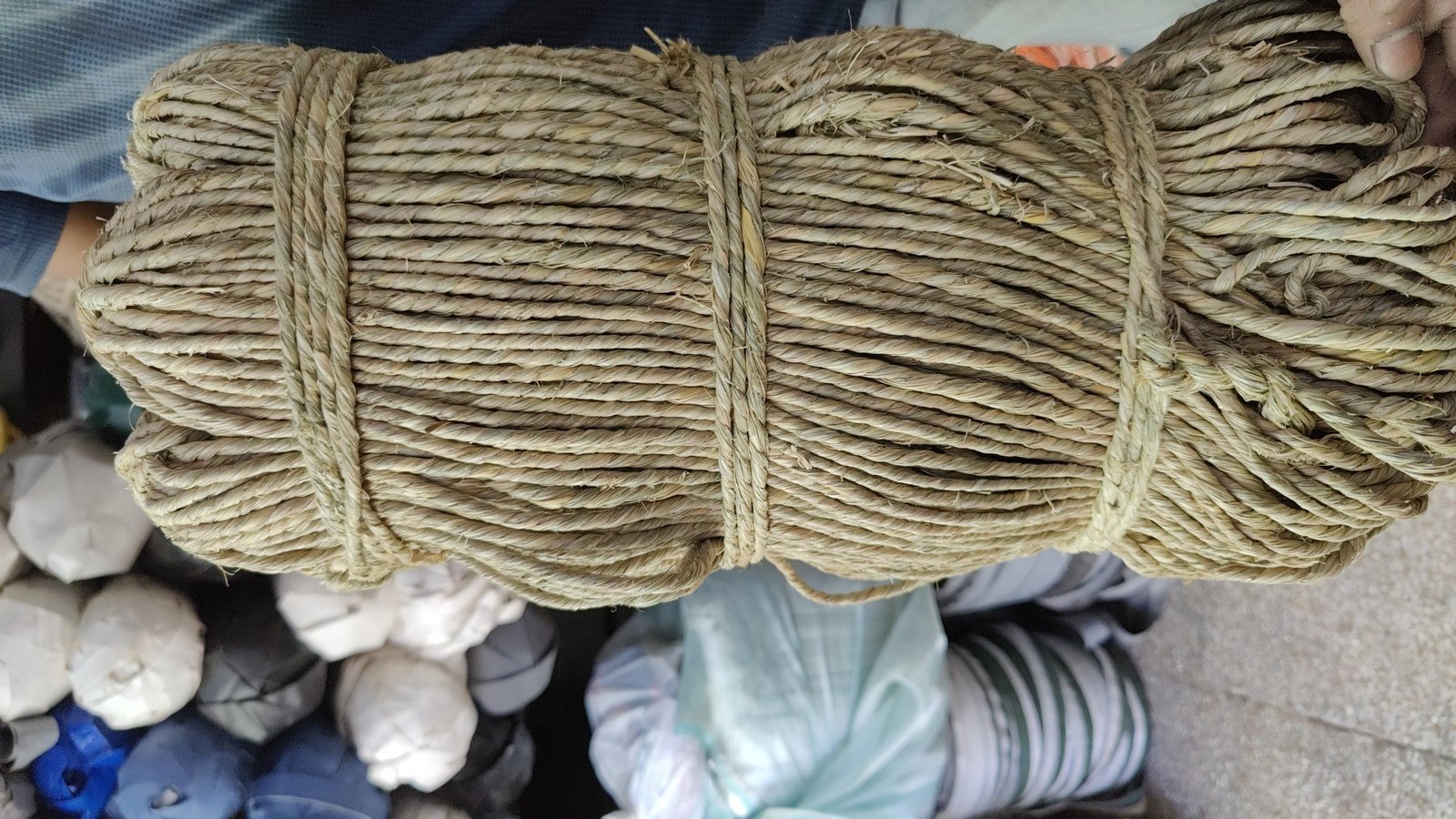
Sea Grass (Hogla)
Harvested from coastal wetlands, seagrass (locally known as Hogla) is lightweight, flexible, and exceptionally durable. Once naturally sun-dried, it is handwoven into sturdy storage baskets, laundry hampers, and home accessories featuring a warm, organic earthy texture.
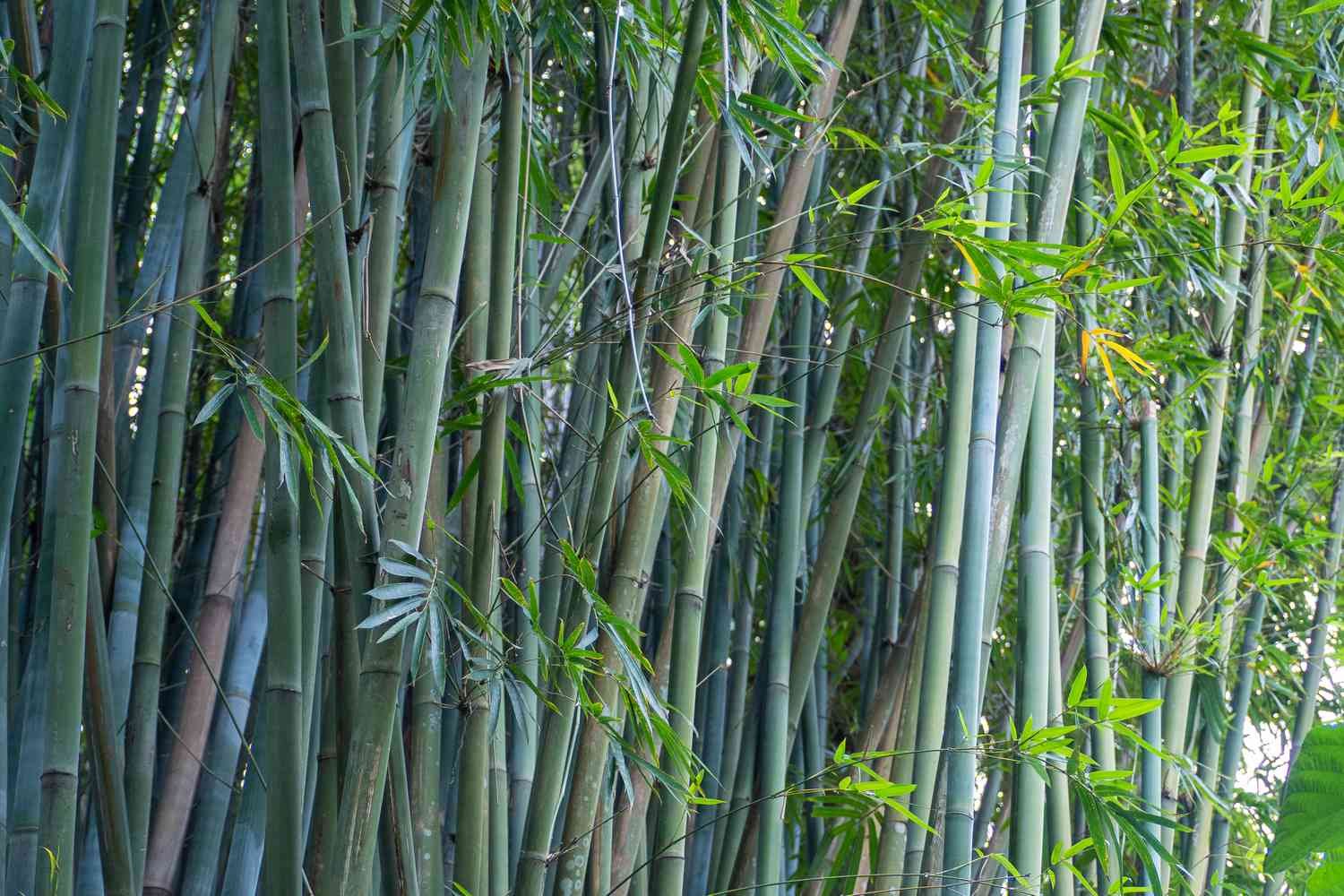
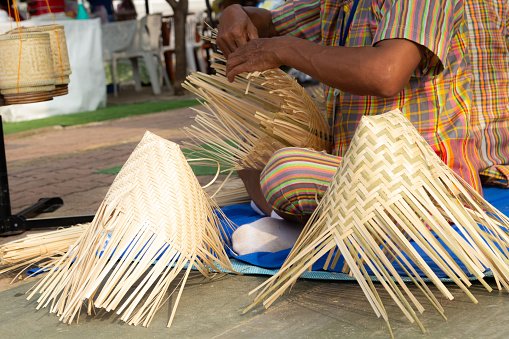
Bamboo
Bamboo is one of the fastest-growing renewable resources on Earth. Strong yet lightweight, it is shaped by skilled artisans into eco-friendly lanterns, trays, storage baskets, and structural home accents built for sustainable modern living.
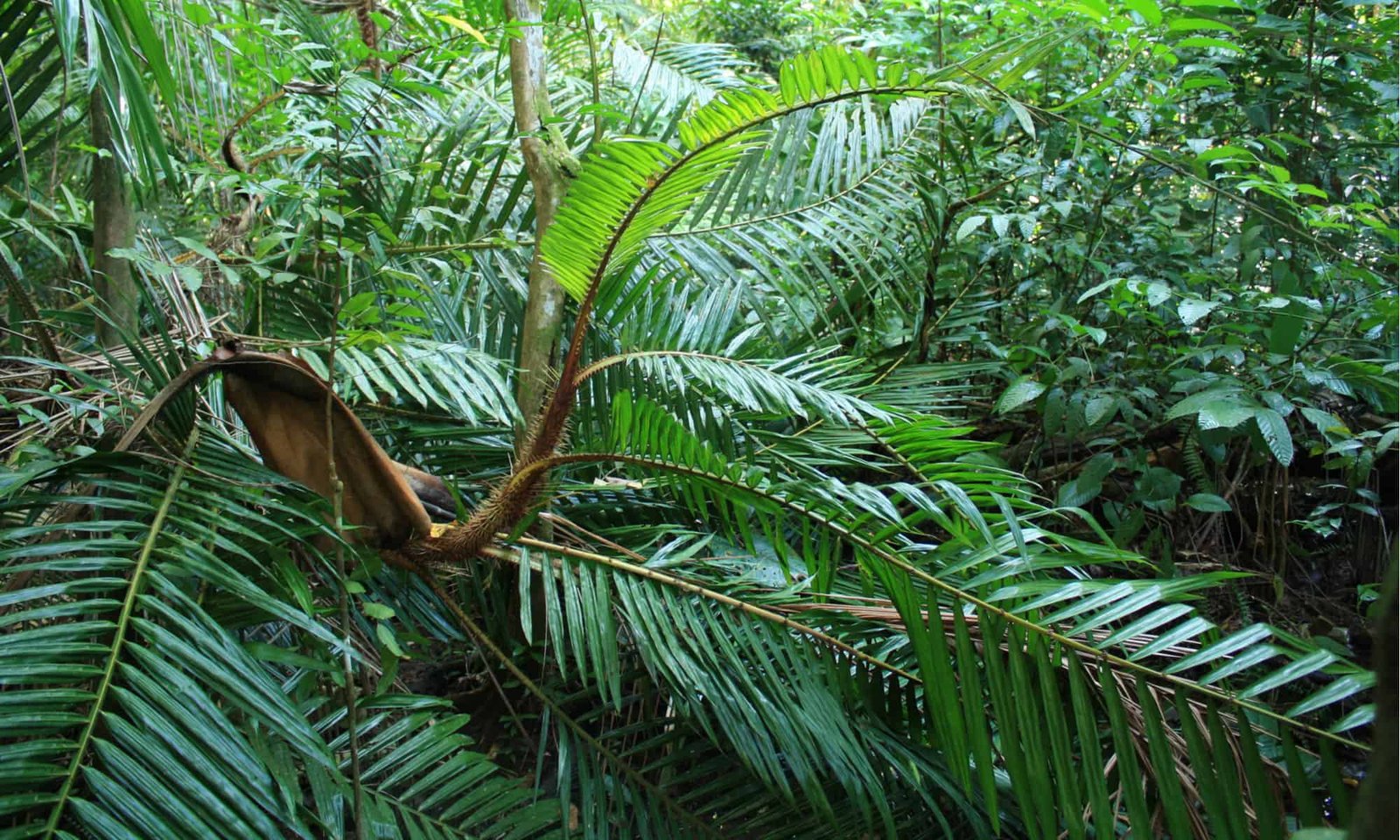
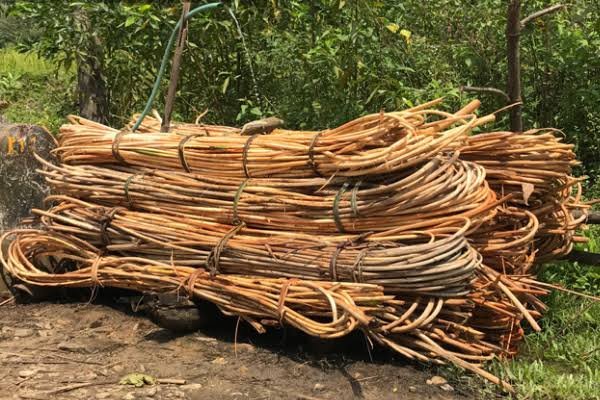
Cane (Rattan)
Derived from natural rattan palms, cane is celebrated for its flexibility, structural strength, and timeless aesthetic. It allows artisans to weave intricate patterns into lightweight furniture, decorative mirrors, and luxury household items.
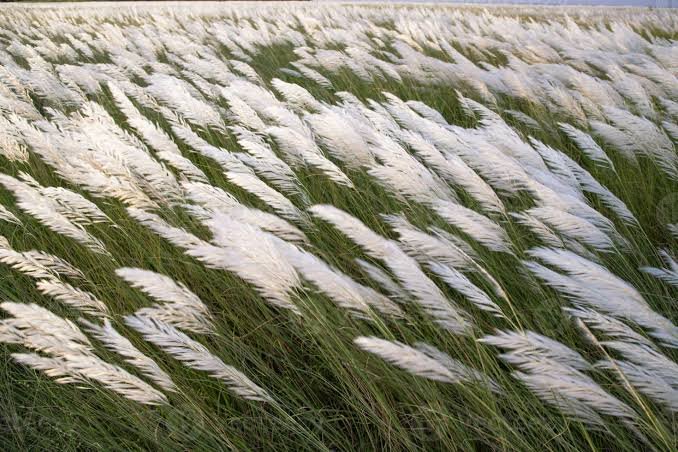
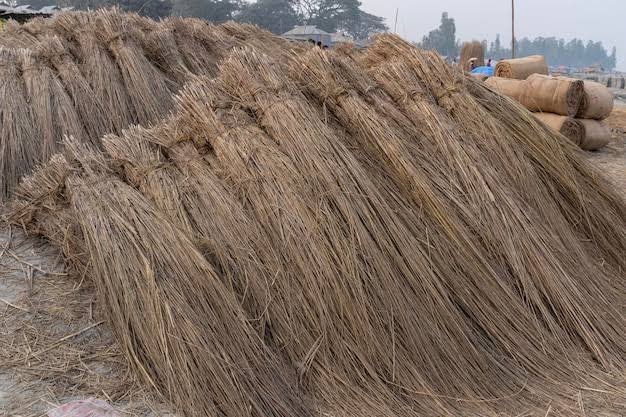
Kans Grass
Kans grass is a wild, fast-growing riverbank grass harvested across Bangladesh. Known for its exceptional natural strength and flexibility, artisans weave this sustainable fiber into durable utility baskets, planters, and table accessories—offering an affordable, eco-conscious alternative to synthetics.
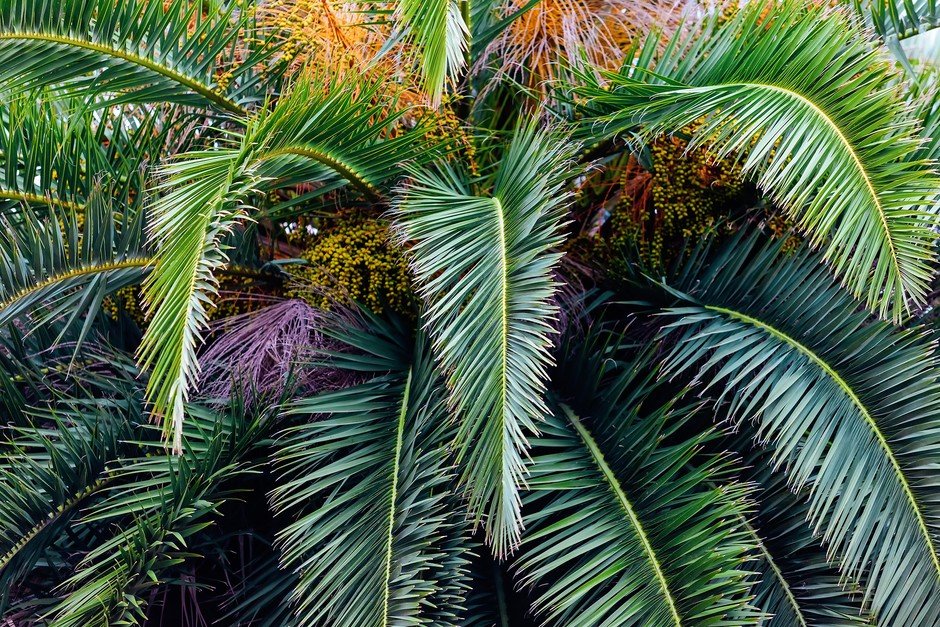
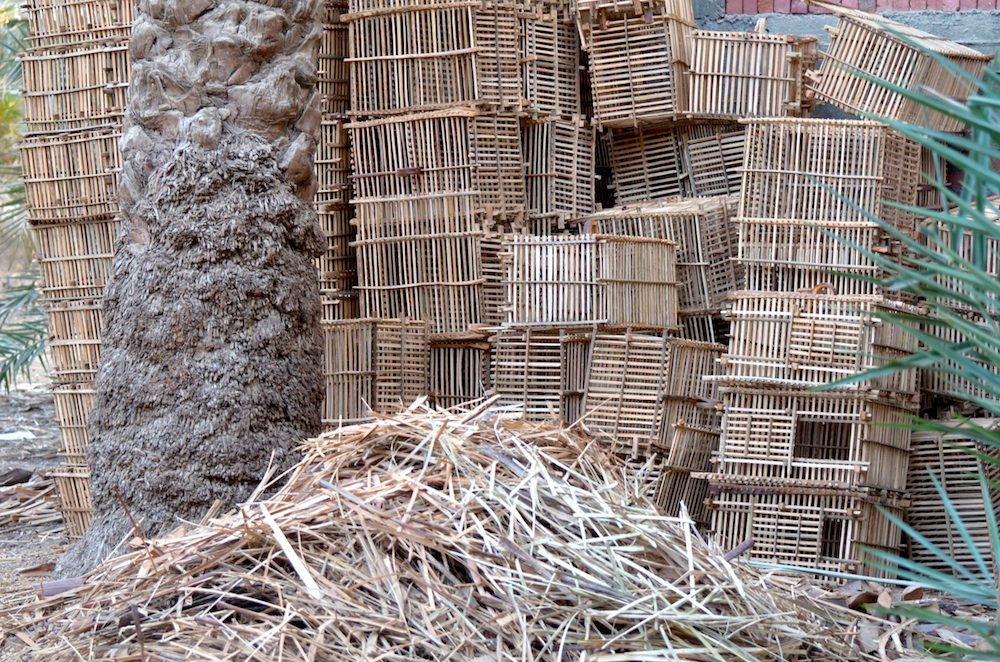
Date Leaf
Harvested from date palm trees across rural Bangladesh, date leaf is processed into strong, durable weaving strips. Its natural flexibility and rustic texture make it ideal for handweaving lightweight storage baskets, placemats, and eco-friendly home organizational accessories.
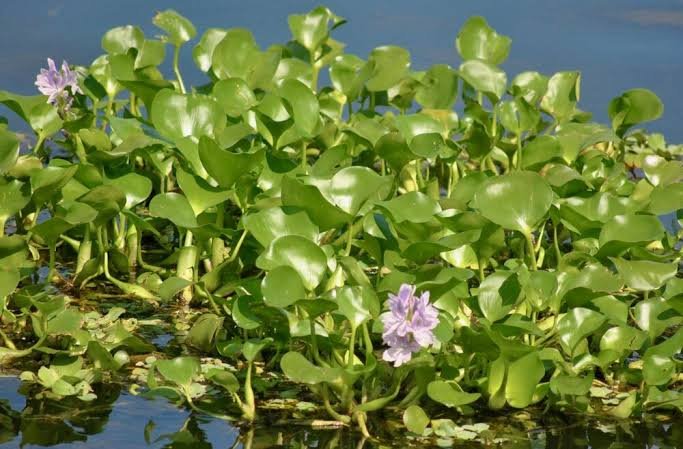
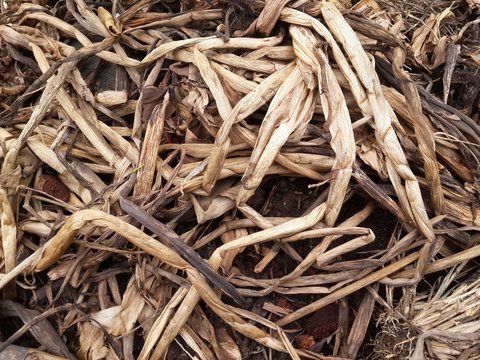
Water Hyacinth
We turn an invasive aquatic plant into eco-friendly innovation. Sun-dried water hyacinth stems are handwoven into thick, durable storage baskets, furniture pieces, and textured decor—reducing waterway waste while creating local artisan jobs.
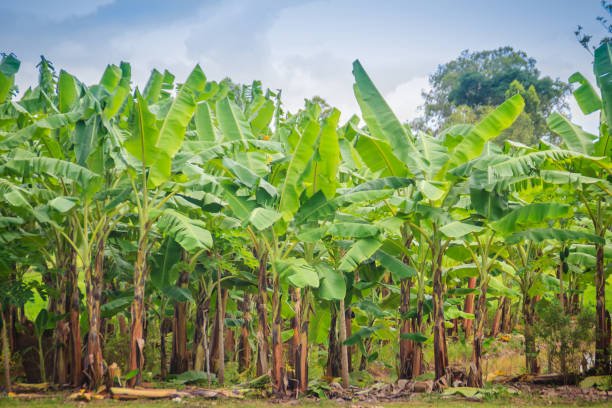
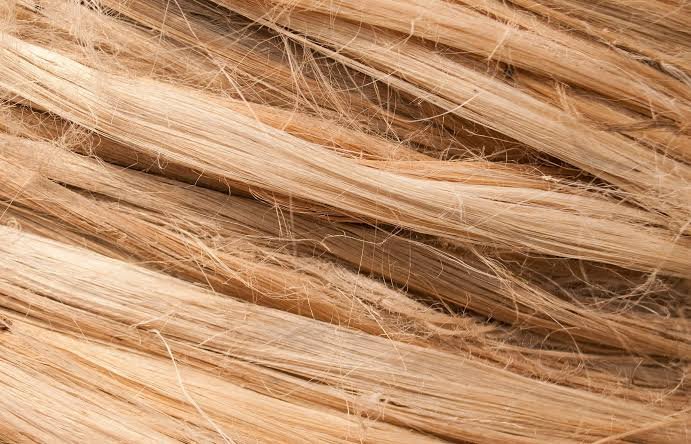
Banana Fiber
Extracted from banana plant stems after harvest, this agricultural by-product is upcycled into strong, flexible fibers. Its distinctive texture and subtle luster make it ideal for handwoven storage hampers, placemats, and sustainable lifestyle collections.
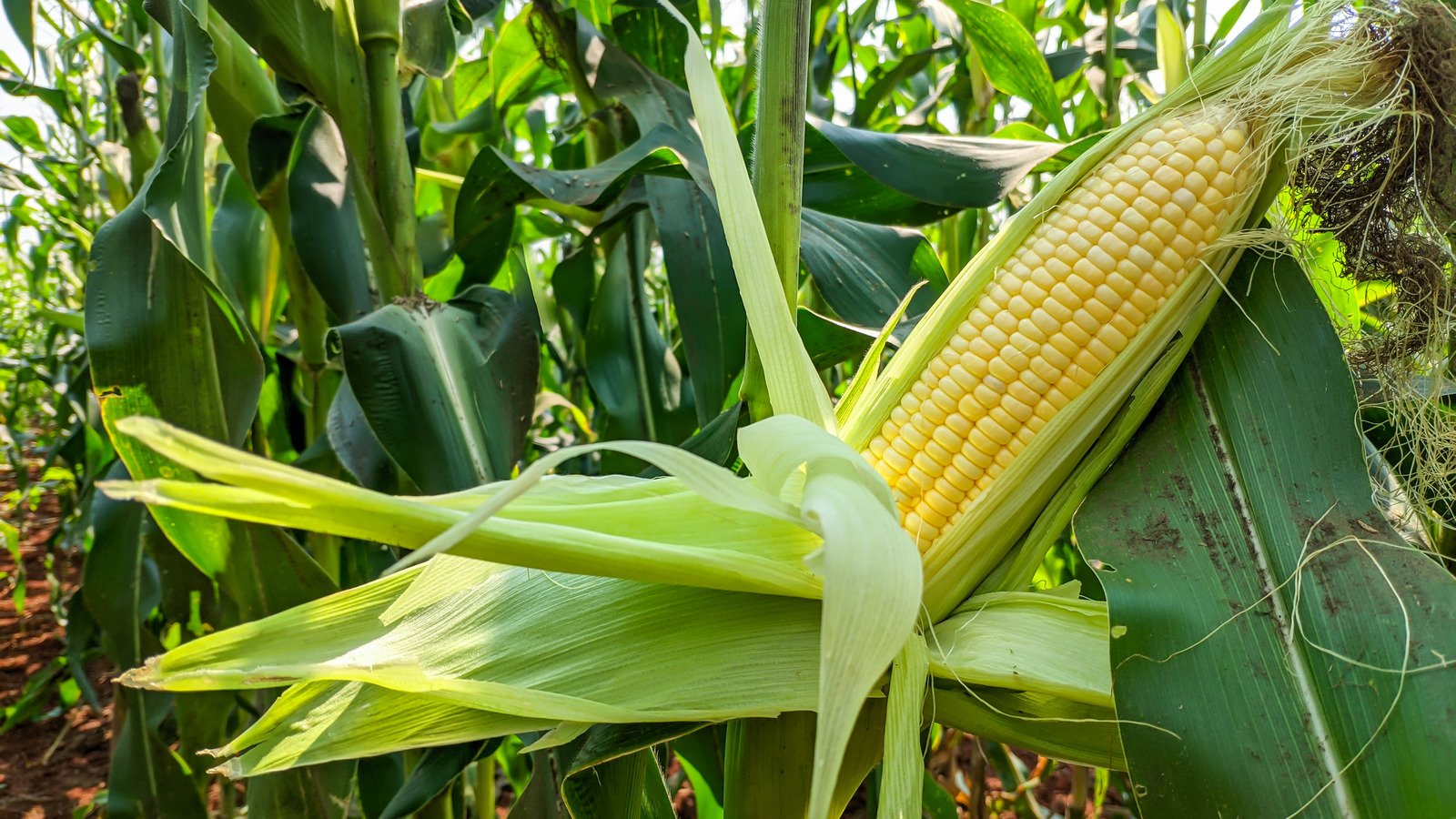
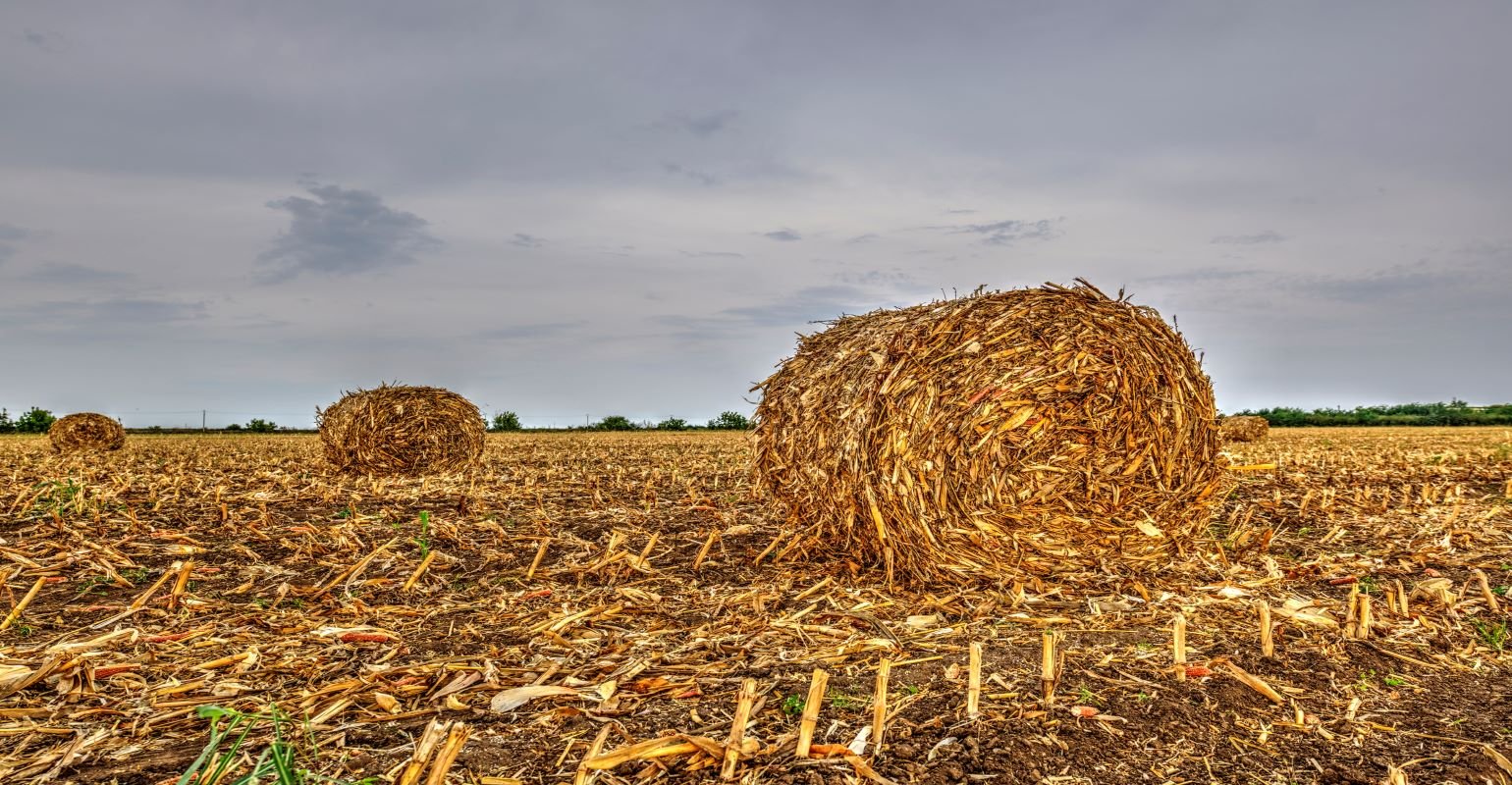
Corn Husk
Repurposed from outer maize leaves, corn husk provides a soft, flexible, and naturally textured fiber. Its warm golden tones bring a rustic, authentic feel to lightweight baskets, table accessories, and eco-friendly packaging.
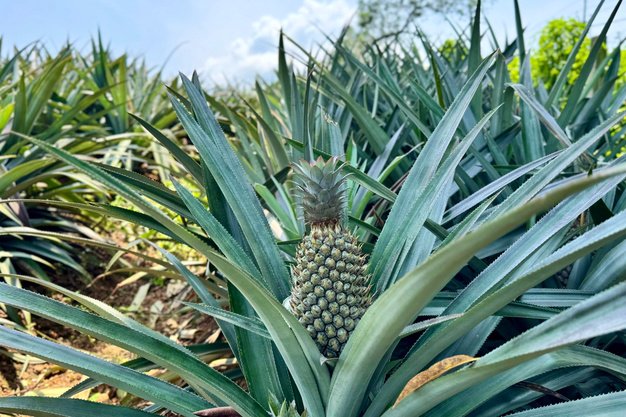
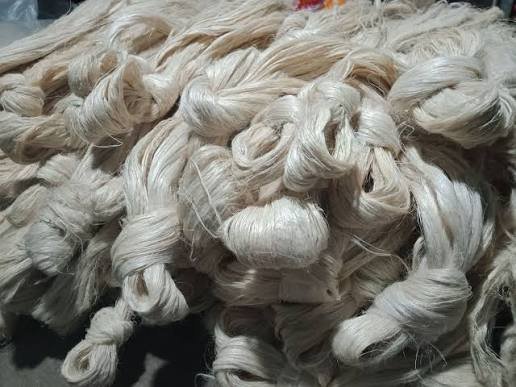
Pineapple Fiber
Harvested from pineapple leaves, this innovative natural fiber transforms agricultural residue into a premium, eco-friendly material. Fine, lightweight, and resilient, pineapple fiber adds a refined texture to handcrafted home textiles and decor.
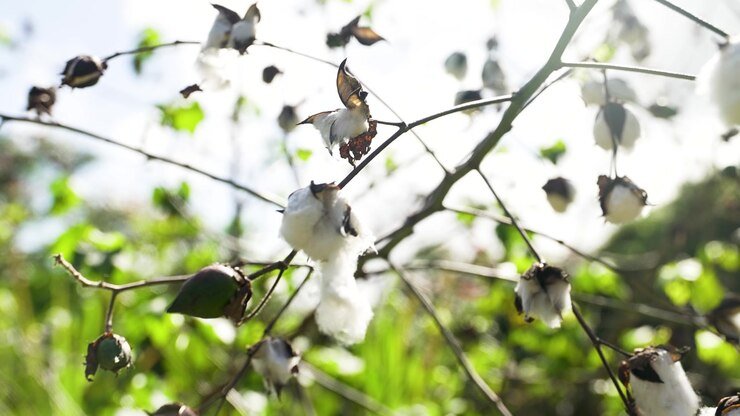
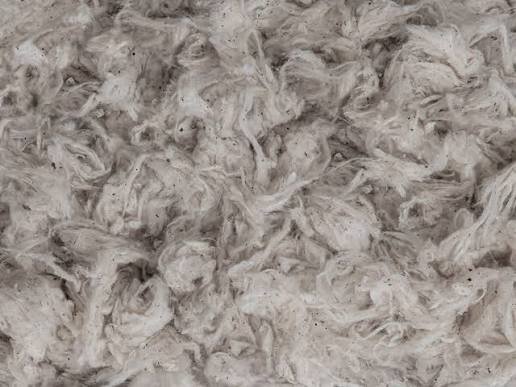
Recycled Cotton & Natural Fibers
Supporting circular production, we combine soft recycled cotton with recovered natural fibers to reduce textile waste. These materials are spun into durable threads for table runners, throw rugs, and soft storage baskets.